
STRUCTURAL SOLUTIONS · MADE IN THE USA
Projects
855 885 7883
info@jobsitestud.com
NEWS & INSIGHTS
Knowledge for stronger projects.
Explore JSW articles on stud rails, punching shear reinforcement, embed plates, fabrication and construction.
FROM THE JSW TEAM
Latest articles
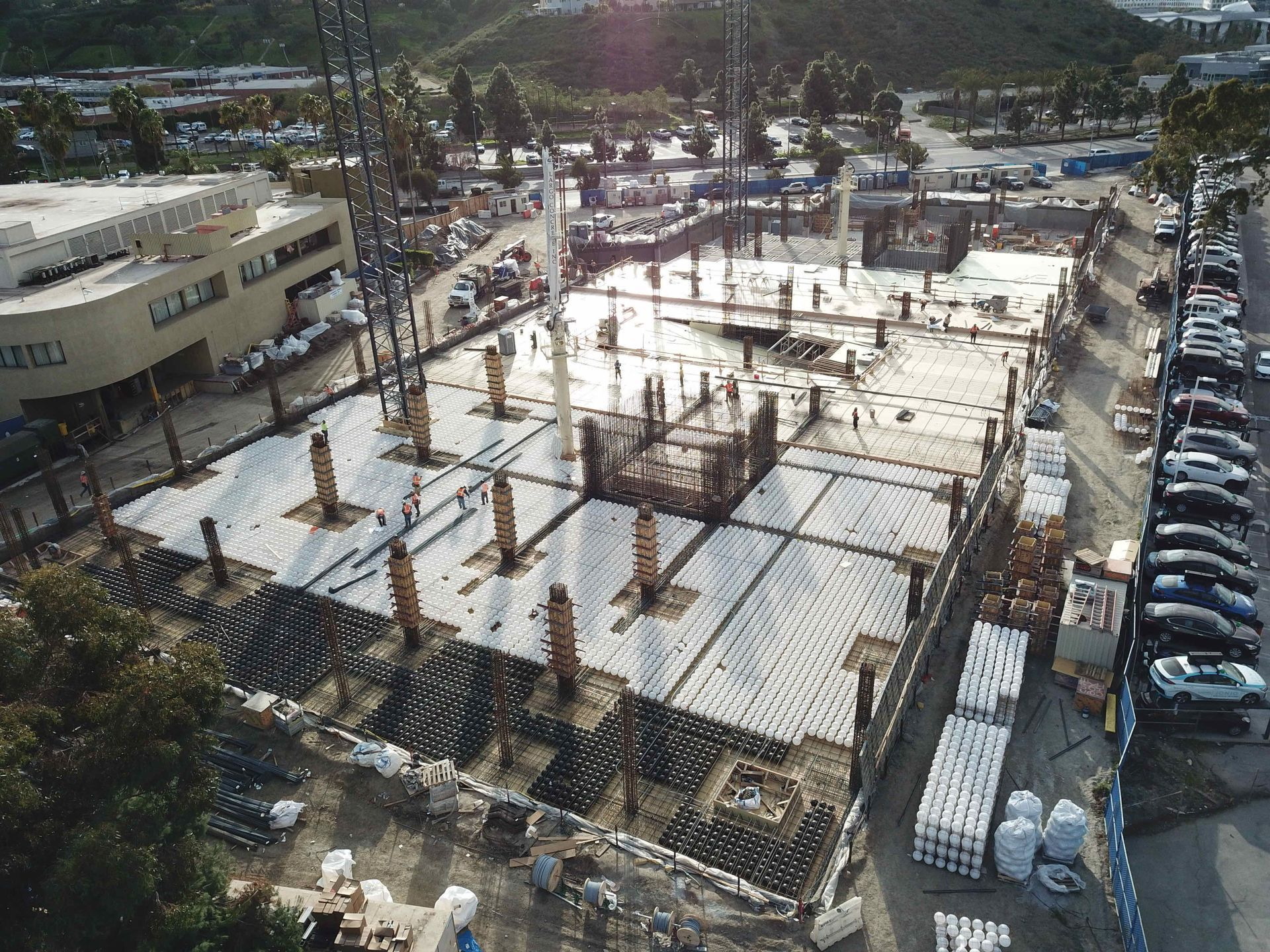
How Stud Rails Improve Construction Schedules
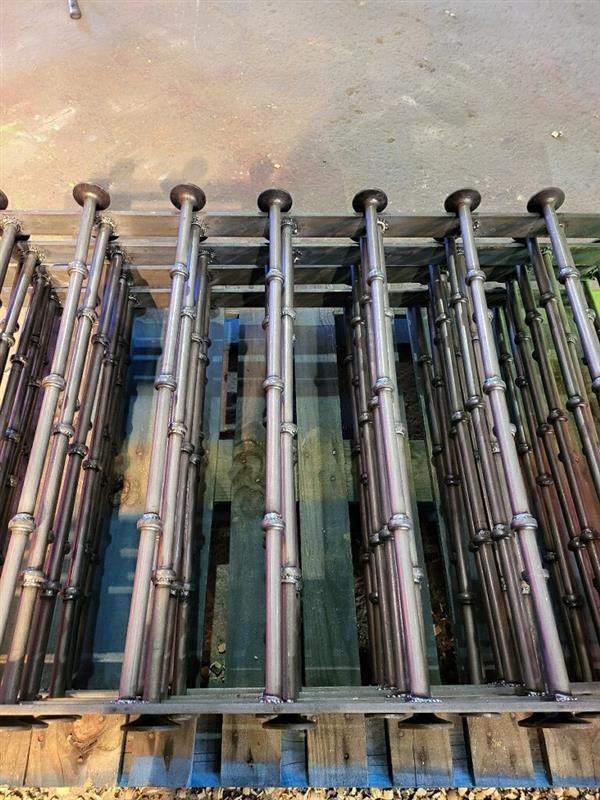
Piggybacked Studs for JSW Stud Rails: What it is and why it is Used.
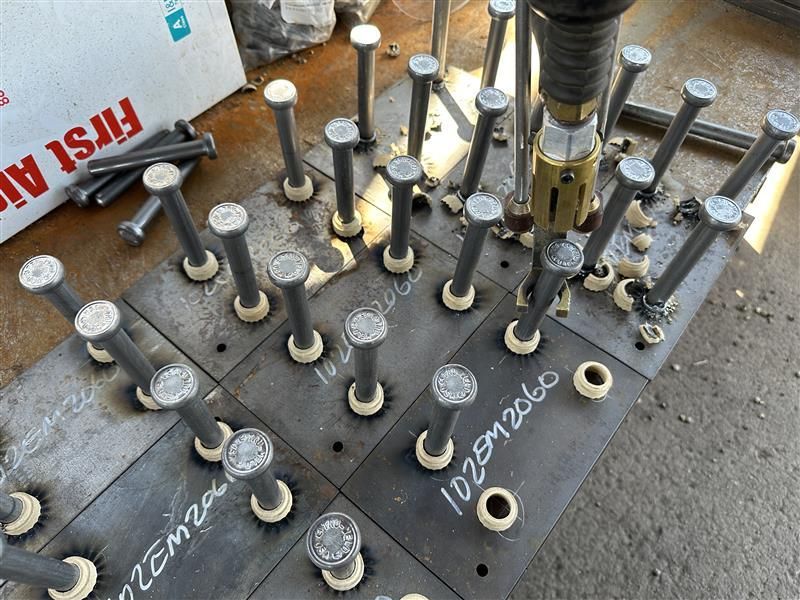
ICC Certified Fabrication: What That Means for Our Customers

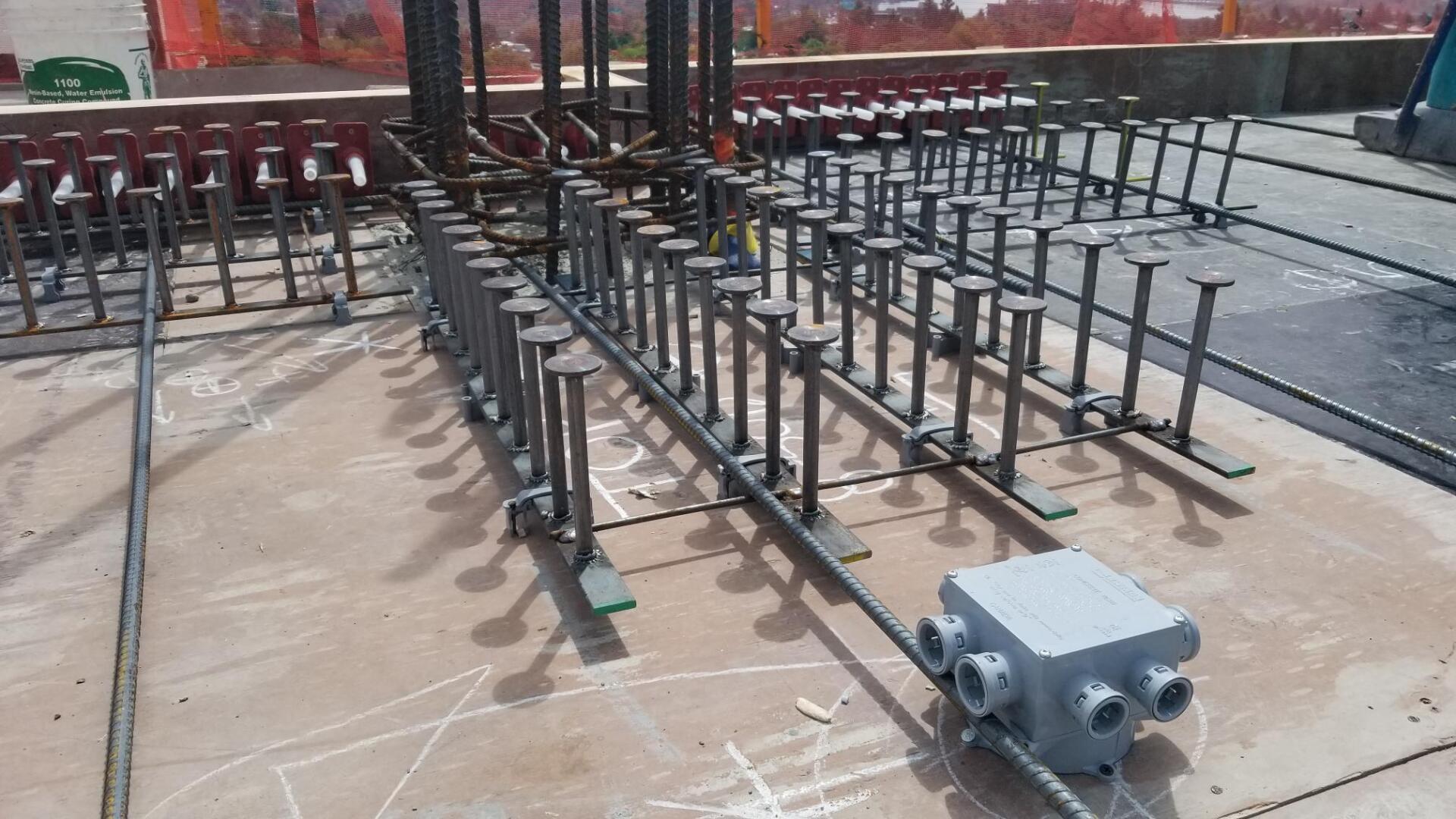
Stud rails are a critical component in modern concrete construction, especially in flat slab and foundation systems . They are specifically designed to improve punching shear resistance around columns and concentrated loads. Understanding how stud rails are designed helps engineers, contractors, and designers create safer, more efficient concrete structures that comply with building codes. What Are Stud Rails in Concrete Construction? Stud rails are prefabricated punching shear reinforcement systems made from headed steel studs welded to flat steel rails. These assemblies are embedded vertically in concrete slabs, typically around columns, walls, or heavy load points. Stud rails are commonly used in: Flat slab and flat plate systems Post-tensioned concrete slabs Foundations and transfer slabs Parking structures and commercial buildings Because they are shop-fabricated, stud rails offer consistent quality and faster installation compared to traditional shear reinforcement. Why Stud Rails Are Used for Punching Shear Reinforcement Punching shear failure occurs when a concrete slab fails suddenly around a column due to high concentrated loads. This type of failure is brittle and dangerous, making proper shear reinforcement essential. Stud rails are designed to: Increase punching shear capacity of concrete slabs Improve ductility and crack control Allow thinner slabs or higher column loads Reduce reinforcement congestion around columns These benefits make stud rails a preferred solution in high-performance concrete design. How Stud Rails Are Designed The design of stud rails follows structural design standards such as ACI 318 and other regional building codes. While equations vary by code, the overall design process is consistent. 1. Calculating Punching Shear Demand The first step in stud rail design is determining the factored punching shear force at the column-slab connection. This calculation accounts for: Column loads Slab thickness and geometry Load combinations (dead, live, seismic, wind) Engineers evaluate the critical shear perimeter around the column to establish the required shear resistance. 2. Determining Concrete Shear Capacity Concrete can resist a portion of the punching shear force on its own. This capacity depends on: Concrete compressive strength Effective slab depth Column size and shape Presence of unbalanced moments If the applied shear exceeds the concrete’s capacity, punching shear reinforcement—such as stud rails—is required. 3. Stud Size and Strength Requirements Each headed stud contributes shear resistance based on: Stud diameter and cross-sectional area Yield strength of the steel Anchorage provided by the stud head The total number of studs is selected so their combined strength meets or exceeds the required punching shear capacity. 4. Stud Rail Spacing and Layout Stud rails are arranged in multiple perimeters around the column . Design codes specify: Maximum spacing between studs Maximum distance from the column face Minimum number of stud rows Proper spacing ensures cracks intersect the studs, allowing the reinforcement to engage effectively. 5. Rail Configuration and Fabrication The steel rails primarily serve as positioning elements that: Maintain precise stud spacing Ensure correct vertical alignment Simplify installation on site Studs are welded to the rails under controlled shop conditions to ensure reliable performance and quality control. 6. Constructability and Installation Considerations Good stud rail design also accounts for: Slab thickness limitations Concrete cover requirements Compatibility with flexural reinforcement Ease of placement during construction Well-designed stud rails reduce installation time and minimize field errors. Building Code Requirements for Stud Rails Design standards include detailing and safety provisions to ensure: Ductile behavior before failure Adequate anchorage of studs Reliable load transfer under extreme conditions Many manufacturers provide design tables and software tools to help engineers meet code requirements efficiently. Properly designed stud rails offer several advantages: Improved structural safety Higher load-carrying capacity Faster construction schedules Cleaner reinforcement layouts Reduced risk of punching shear failure These benefits make stud rails a widely adopted solution in commercial and residential construction. Conclusion: Why Stud Rail Design Matters Stud rails play a vital role in modern concrete slab design by preventing punching shear failure and improving overall structural performance. By following code-based design principles and considering constructability, engineers can design stud rail systems that are safe, efficient, and cost-effective. Although often hidden within the concrete, stud rails are a key element in ensuring the long-term durability and safety of flat slab structures. Don’t Forget to Follow Us on Social Media! Check out our accounts to stay up to date with our latest content! Instagram Facebook Youtube
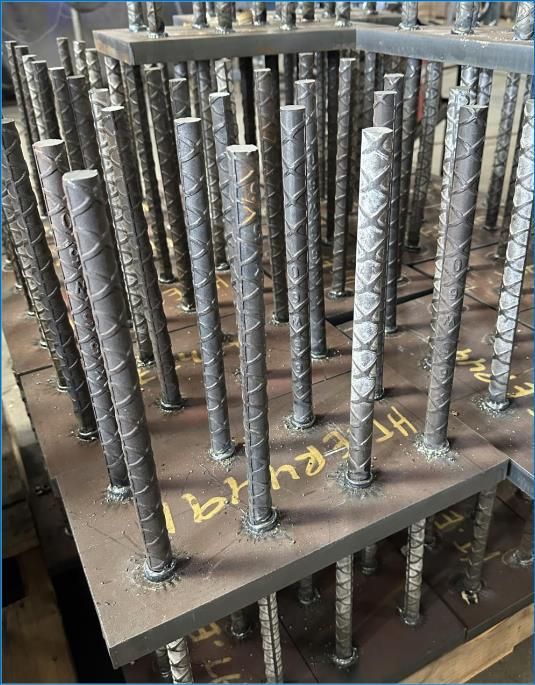
What are Embeds?
The Significance of Stud Rails